



Life-Saving RCD & Smoke Alarm Installations
Professional RCD and smoke alarm installations for enhanced home safety.
Safety That’s Now the Law
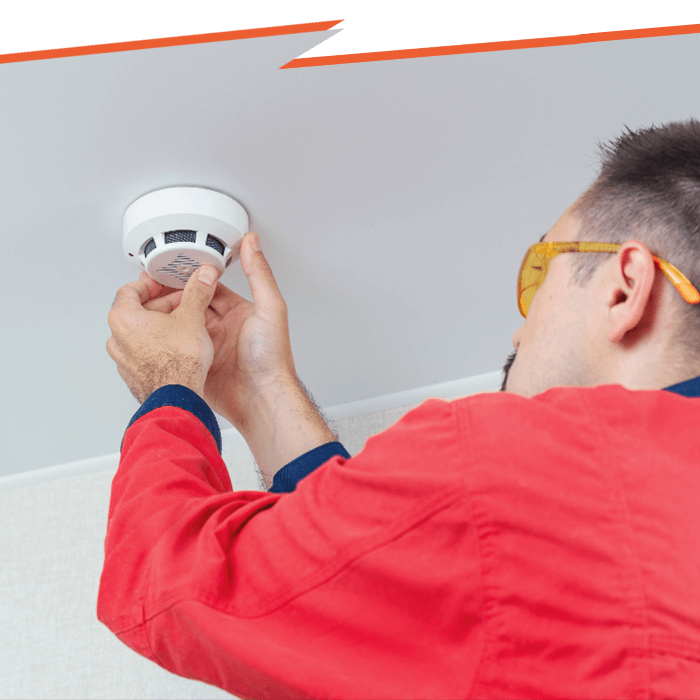
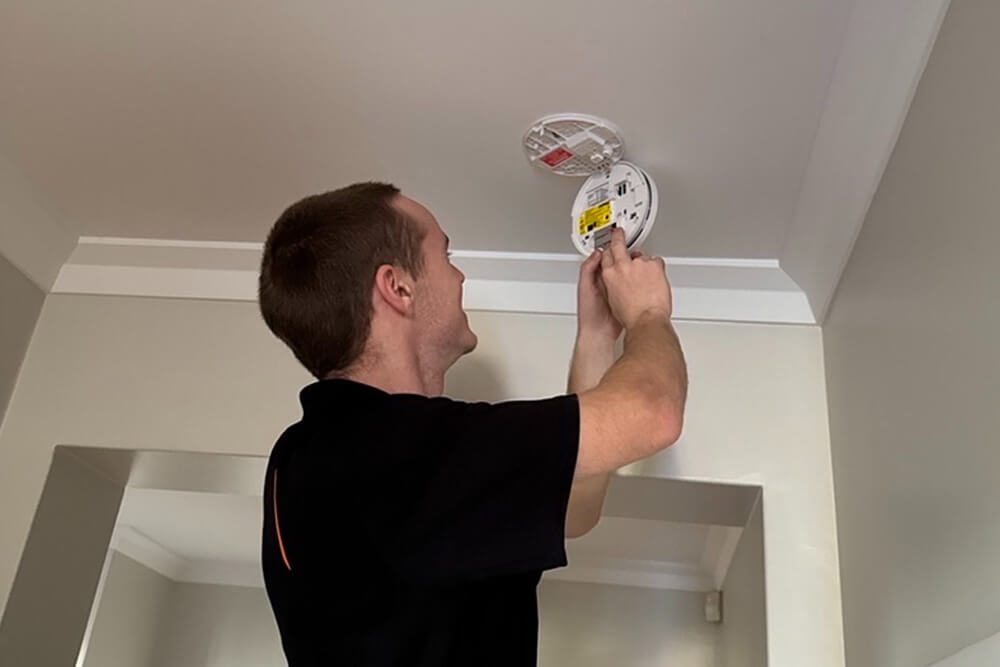
In Western Australia, every residential property must now have a minimum of two RCDs and photoelectric, interconnected smoke alarms—installed by a licensed electrician. Whether you’re renovating, selling, or improving safety, McGuire’s ensures full compliance with AS/NZS electrical and fire safety standards.
We install, test, and certify critical safety devices—protecting your property and loved ones from fire, electric shock, and legal risk.
Why It Matters
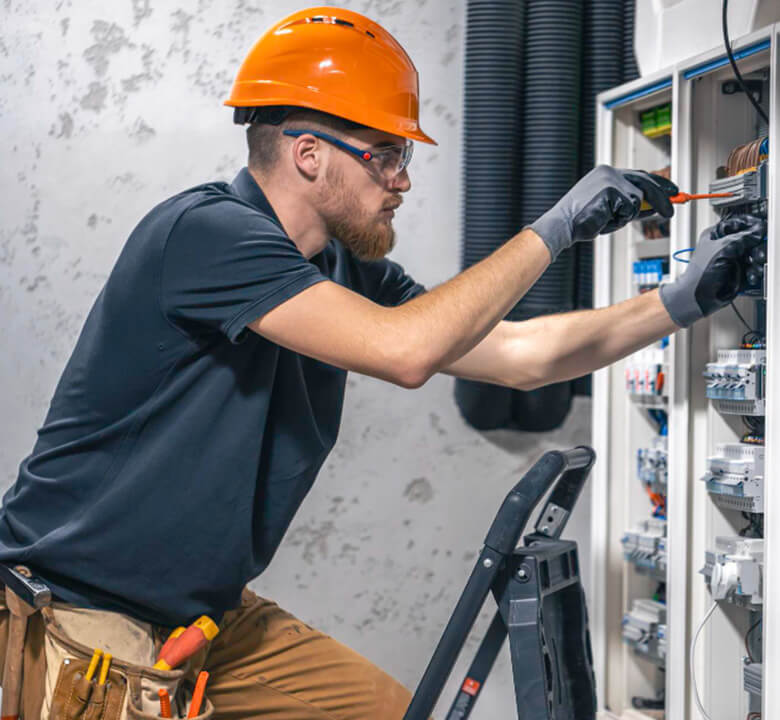
RCDs detect electricity leaking to earth—like from a damaged cord or faulty appliance—and shut power off in <30 milliseconds. They’ve been proven to prevent 99% of fatal electric shocks when installed correctly.
- 30 mA Type AC or A RCDs (per AS/NZS 61008 & 61009)
- Combination RCBOs (breaker + RCD in one)
- Full insulation resistance and polarity tests
- Labels, trip test and installation log
Our Process
Our lighting service includes expert design, quality installation, full safety checks, and a spotless, professional handover—ensuring compliance, performance, and peace of mind every step.
1
Audit Existing Safety Devices
We inspect existing wiring, fuses, and meter board
2
Product Recommendation & Quote
No upsells, just compliant, warranted devices.
3
Install & Test
Label each device, verify RCD trip time, test smoke alarm volume (≥85 dB).
4
Certificate of Compliance Issued
WA Electrical Safety Certificate provided.
5
Reminder Setup
Optional 6-month test reminders.
RCD & Smoke Alarm FAQ
Complete Q&As addressing RCD and smoke alarm installation, maintenance, and strict adherence to Australian Standards for optimal safety.
• Must be hardwired 240V
• Be photoelectric (not ionisation)
• Be interconnected, so all alarms sound together
• Installed on every level and in accordance with AS 3786:2014
• Must be under 10 years old and tested at the start of every new tenancy
You should press the "TEST" button every 6 months.
A working RCD will trip and cut power instantly—then you reset it.
We also perform a trip time test (≤300ms) using calibrated instruments during installations and upgrades. This is a requirement under AS/NZS 3760 & AS/NZS 3000.
No.
Only licensed electricians can legally install RCDs in WA. DIY installations are illegal under the Electricity (Licensing) Regulations 1991 and void insurance.
McGuire’s issues a Certificate of Electrical Compliance with every install.
As per Building Code of Australia and AS 3786, install:
• In every bedroom or hallway leading to bedrooms
• On each level of a multi-storey home
• At least 300mm from corners and 500mm from air vents
• Not near kitchens unless specified as heat alarms
Not for rental or sale purposes.
Battery-only alarms are non-compliant unless:
• It’s a home built before 1997
• No mains wiring is accessible
• The alarm is photoelectric with a sealed 10-year lithium battery
According to AS/NZS 3760, RCDs should be:
• User-tested every 6 months (using the button)
• Professionally trip-tested every 2 years, or more frequently in rental or commercial environments
McGuire’s provides trip test logs and replacement advice.
Yes.
As per AS/NZS 3000:2018 Clause 2.6.3.2, all final subcircuits supplying socket outlets, lighting, or fixed equipment (e.g., fans, cooktops) must be RCD protected.
This applies to new builds, renovations, and upgrades.
• Smoke alarms detect visible combustion particles—best for bedrooms and hallways
• Heat alarms detect high temperature rise—ideal for garages, kitchens, laundries
Both must be compliant with AS 3786 and have at least 85 dB sound output.
Only if they’re the same brand and interlink protocol.
Mixing incompatible brands can result in failure to trigger, which is non-compliant.
McGuire’s can install wireless bridge alarms or upgrade your entire network for full compatibility.
You may face:
• Contract delays or settlement refusals
• Fines issued by Building and Energy WA
• Insurance issues in case of injury or fire
We ensure your property is compliant before listing or leasing, and supply certification for agents or settlement agents.
Don’t wait for an incident.
Book a licensed safety inspection and upgrade your property to today’s legal standards.